African Water Facility’s COVID-19 Response Initiatives
24 August 2021
Image:
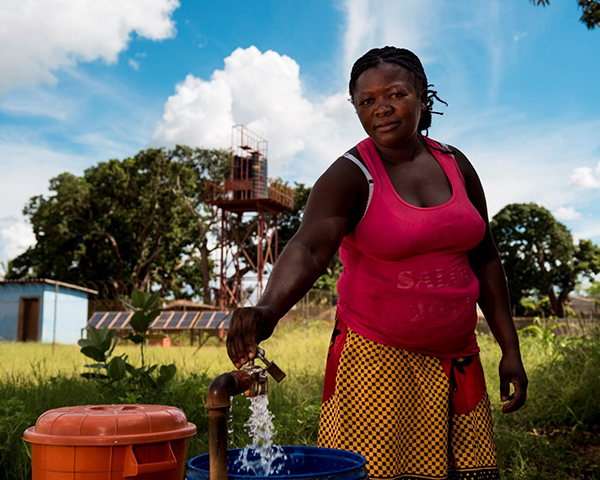
In response to the COVID-19 pandemic, the African Water Facility (AWF) has continued to thrive and has undertaken the following activities and initiatives geared towards mobilising resources for African countries to build resilience against future pandemics; curtail the spread of the COVID-19; and contribute towards the body of knowledge on the impact of COVID-19 on African urban water utilities.
More specifically:
- Under the ongoing African Urban Sanitation Initiative Fund, the AWF initiated discussions with the Bill and Melinda Gates Foundation to re-allocate some funds to the Africa Urban Sanitation Investment Fund (AUSIF) selected countries to support COVID-19 response measures in the WASH sector;
- The AWF initiated discussions with Nordic Development Fund and Denmark and secured pledges of about € 27.5 million to focus on COVID-19 response measures with a component on green growth, recovery and strengthening climate resilience in the most vulnerable countries in the Sahel and Horn of Africa;
- The AWF has financially contributed to a study commencing in 2020 that assesses the resilience of utilities and water service providers in responding to COVID-19, and related shocks and emergencies. With many African utilities forced to provide free water particularly for the urban poor, and to avoid disconnecting those who cannot pay their water bills, many utilities find themselves in a precarious situation that threatens their sustainability. The study will include identifying system vulnerabilities and an assessment of both implementation and impact of these measures resulting from responding to COVID-19. The assessment will review water supply and sanitation (WSS) utilities’ performances, revenue, cash-flows as well as service delivery and sustainability. The study outcomes will inform the Bank’s plans to strengthening utility resilience through policy dialogue strengthening the operational efficiency of utilities; improving the governing environment and improving access to short to medium term funding for WSS actions to buttress COVID-19 interventions;
- The AWF has dedicated a portion of finance savings made from the building resilience to water stress and climate change project in Somaliland to provide hand washing stations in public places in selected settlements as well as internally displaced persons (IDP) camps and urban-poor areas in the unreached districts of Togdheer, Marodijeh and Awdal regions in line with Somaliland’s COVID-19 National Response Plan. Other associated activities include distribution of hygiene and sanitation materials and distribution of household water storage facilities to the most vulnerable IDPs.