Integrating gender and social equity : A case of Ghana’s Sustainable Faecal Sludge Management in Urban Centres Project
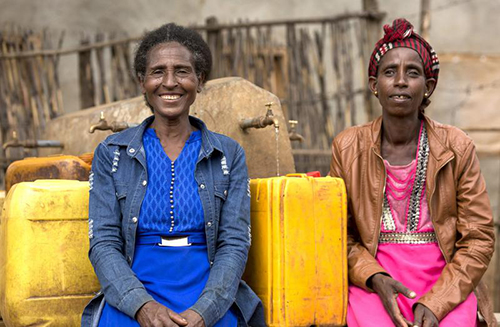
In relation to gender and social equity considerations, the « Ghana’s Sustainable Faecal Sludge Management in Urban Centres Project » goals are to create the conditions to increase the participation of women, youth and other vulnerable groups in the preparatory studies and consultative processes and management of faecal sludge infrastructure and services along the value chain in urban settlements in Ghana.
The project proposes concrete measures to enhance the role of women in the sustainable management of infrastructure to be designed; to create the conditions necessary to improve living conditions in urban settlements, including a permanent and sustainable access to improved on-site sanitation and sustainable FSM services; improved living conditions, health and safety and the consequent reduction in the prevalence and spread of waterborne diseases.
The improvement of living conditions will also be achieved through strengthening social cohesion through outreach activities of the structures responsible for managing the FSM infrastructure and services ; and the creation of jobs through the organisation and better management of the faecal sludge management value chain.
The City-Wide Inclusive Sanitation (CWIS) approach that is used in planning of urban sanitation projects helps to ensure that sanitation planning is inclusive and reaches all categories of the urban community, including the poor.
The CWIS approach helps to realise objectives related to gender and social equity. It will require the participation of local stakeholders which include a range of local participants such as water utilities, municipalities, women and youth, health authorities, etc. in the planning and implementation of the projects helping to ensure that issues of gender and social equity are considered at the outset.
To measure the achievement of targets related to social equity, the Programme’s M&E framework includes the following indicators:
The number of people (at least 30% of whom would be classed as poor) are likely to benefit from improved access to inclusive and sustainable sanitation, including improved FSM services (storage, collection, conveyance, treatment, and reuse/disposal) once the downstream investment is realised.
- The number of urban settlements with feasibility studies, designs and investment plans prepared based on City Wide Inclusive Sanitation’s (CWIS) approach ;
- The number of projects prepared that target the entire population in towns, including peri-urban areas and allow the urban poor (representing 30% of the town population) to benefit from equitable, safe sanitation services.
The overall objective of the project is to increase access to safe, sustainable and inclusive sanitation services, with improved hygiene and faecal sludge management (FSM) services for people living in small and medium size urban centres in Ghana.
This objective is to be achieved by increasing access to safe, sustainable and inclusive on-site sanitation facilities; increasing access to efficient and sustainable faecal sludge management infrastructure and services; and creating opportunities for increased investments in the sanitation sub-sector.
The downstream investments related to infrastructure development under the Ghana project will benefit about 0.92 million people living in un-sewered areas in urban centres, who are without sustainable access to FSM infrastructure and services along the value chain.