Five questions to Osward Chanda, Director for Water Development and Sanitation Department
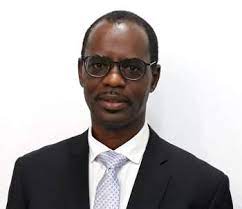
Osward Chanda explains the new programme between the African Development Bank, Nordic Development Fund (NDF), the Government of Denmark and beneficiary governments (Mali, Niger, Burkia Faso and Somalia).
The new programme aims to secure climate-resilient water and sanitation services in Sahel and Horn of Africa.
How much will the respective partners bring to the table? What is the schedule?
The African Development Bank, in partnership with Nordic Development Fund (NDF), the Government of Denmark and beneficiary governments will roll-out a program to strengthen access to climate-resilient water and sanitation resources in Burkina Faso, Mali, Niger and Somalia. The initiative will strengthen recovery in the wake of the Covid-19 pandemic. The program budget is estimated at €29.2 million. The NDF and Denmark will contribute grants of €7.5 million and €20.1 million respectively, while and the African Development Bank will make a grant contribution of €1.0 million. Beneficiary governments will make in-kind contributions estimated at € 0.6 million. We expect to crowd in other donors to contribute to the programme to increase scope and coverage.
This initiative will enhance the sustainability of water systems in both rural and urban areas through 1) immediate interventions to build or upgrade/rehabilitate existing infrastructures and 2) feasibility studies to prepare bankable projects that contribute to increased financing for water, sanitation, and hygiene services, improving human health, child education and economic productivity. The expected schedule for delivery is from 2022-2024.
How long is the initiative?
The program has an initial duration of three years, from 2021 to 2024. The African Development Bank hopes to build onto the program to scale up access to water, sanitation and hygiene services, by attracting additional donors! This sector in Africa needs more attention and funding.
How long will the feasibility studies take?
Feasibility studies will take 12-18 months. Tenders will be launched in the first quarter of 2022.
When can we expect construction tenders etc?
Construction tenders for the immediate interventions to upgrade/rehabilitate existing infrastructures will be launched in the second half of 2022.
Why the Bank felt it was necessary to set up a separate initiative for these projects/countries?
The focus on the Sahel and the Horn of Africa countries (Burkina Faso, Mali, Niger and Somalia) is informed by the limited access to improved water and sanitation services which are often amplified by droughts and floods caused by natural climate variability. This initiative implemented by the African Water Facility through the country and regional offices, is not separate and augments the Bank’s overall support to the sector. The Bank group with other partners are expected to finance the downstream investments prepared under the program.